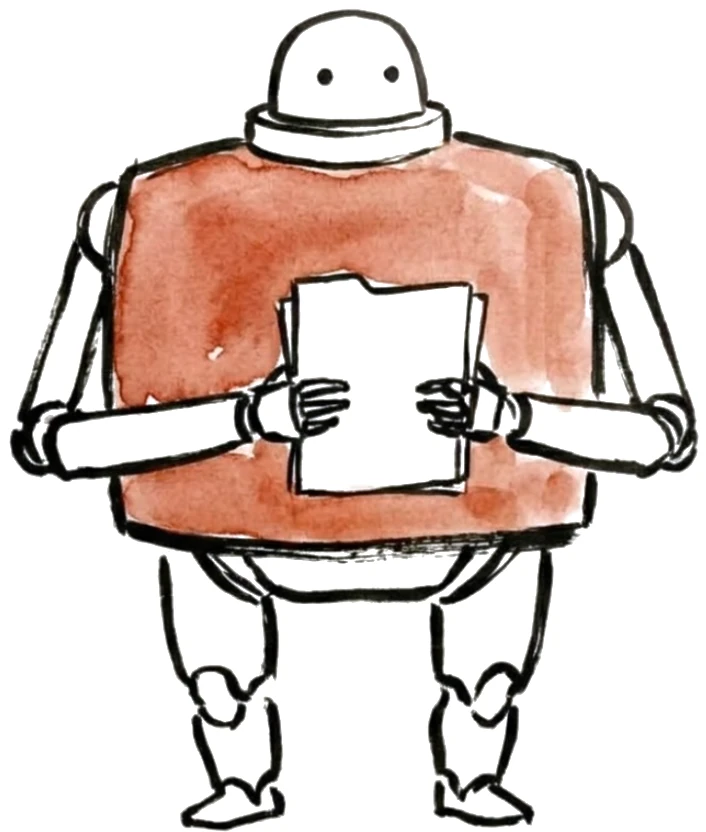
I make hard things approachable.

Co-founder of Inkolega, AI agents for small businesses: 8x more online bookings for our first customer.Co-founder of NaviFounders, mentoring students to launch their own projects.Grew a student organisation from 27 to 180 paying members.Czech national high-school debate champion at 15.100+ students coached from 15+ countries.

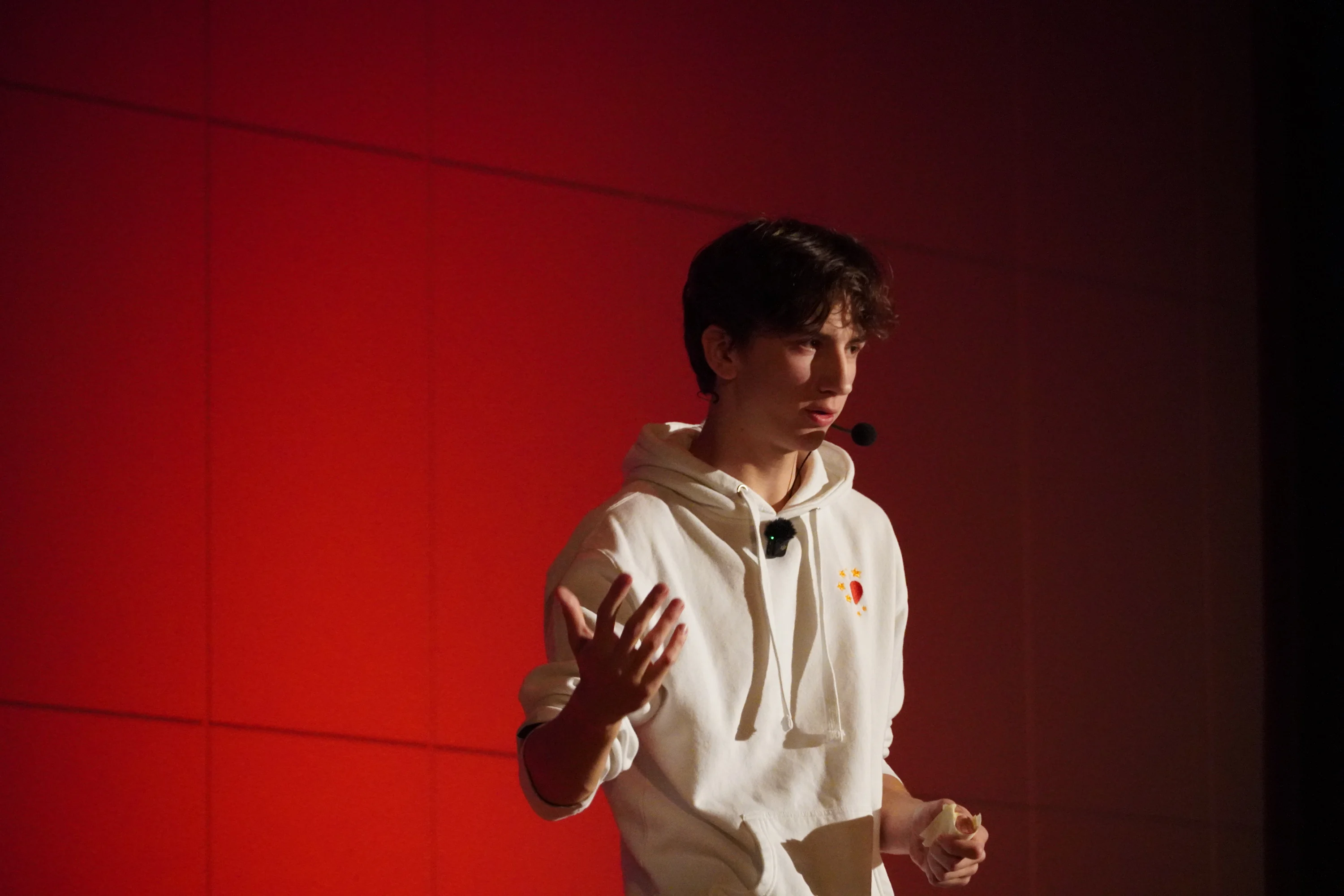
Matyas speaking on a stage lit red, in a white hoodie and a headset microphone.
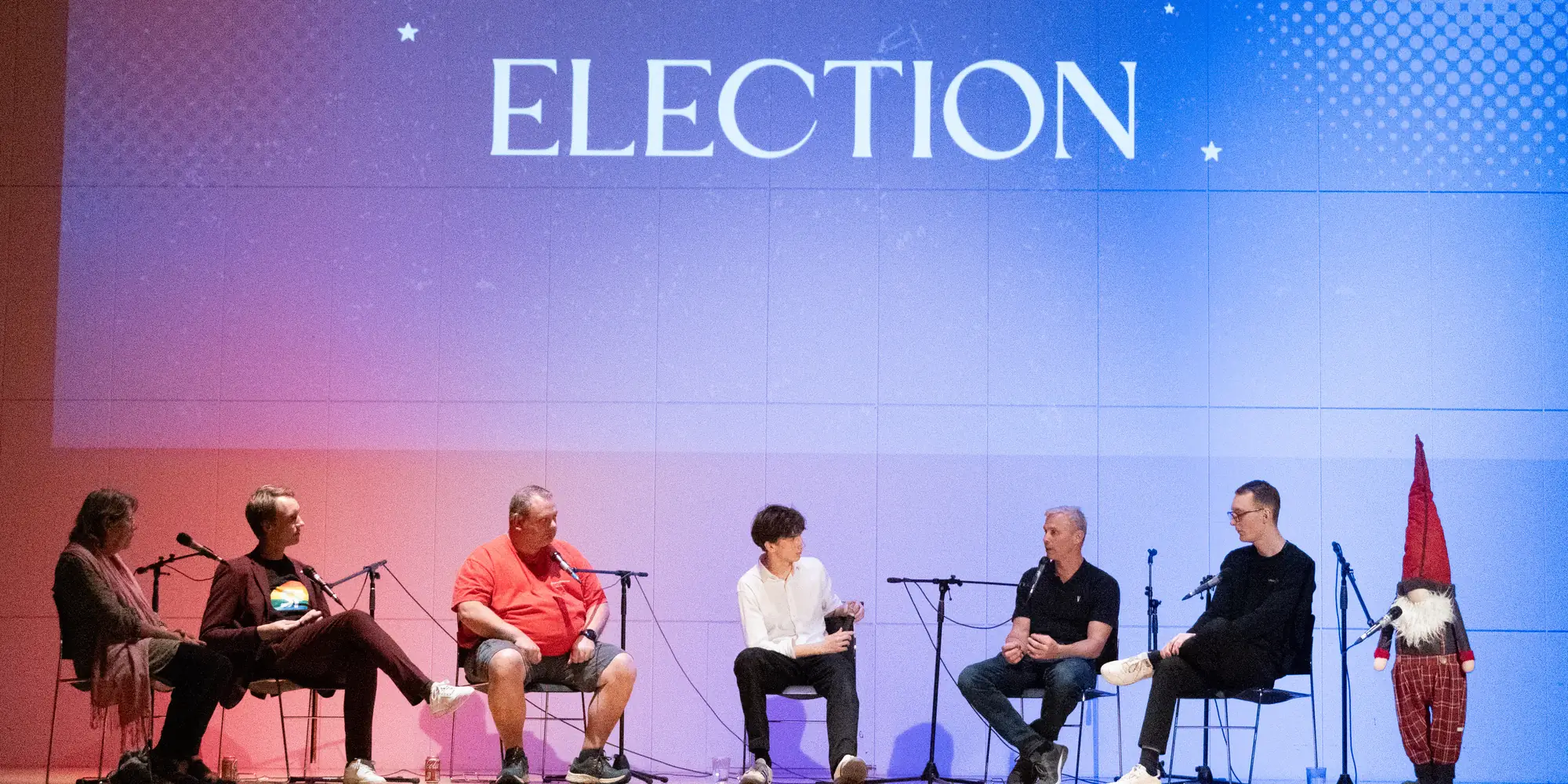
Matyas seated on a panel on a stage, under a screen that reads Election.
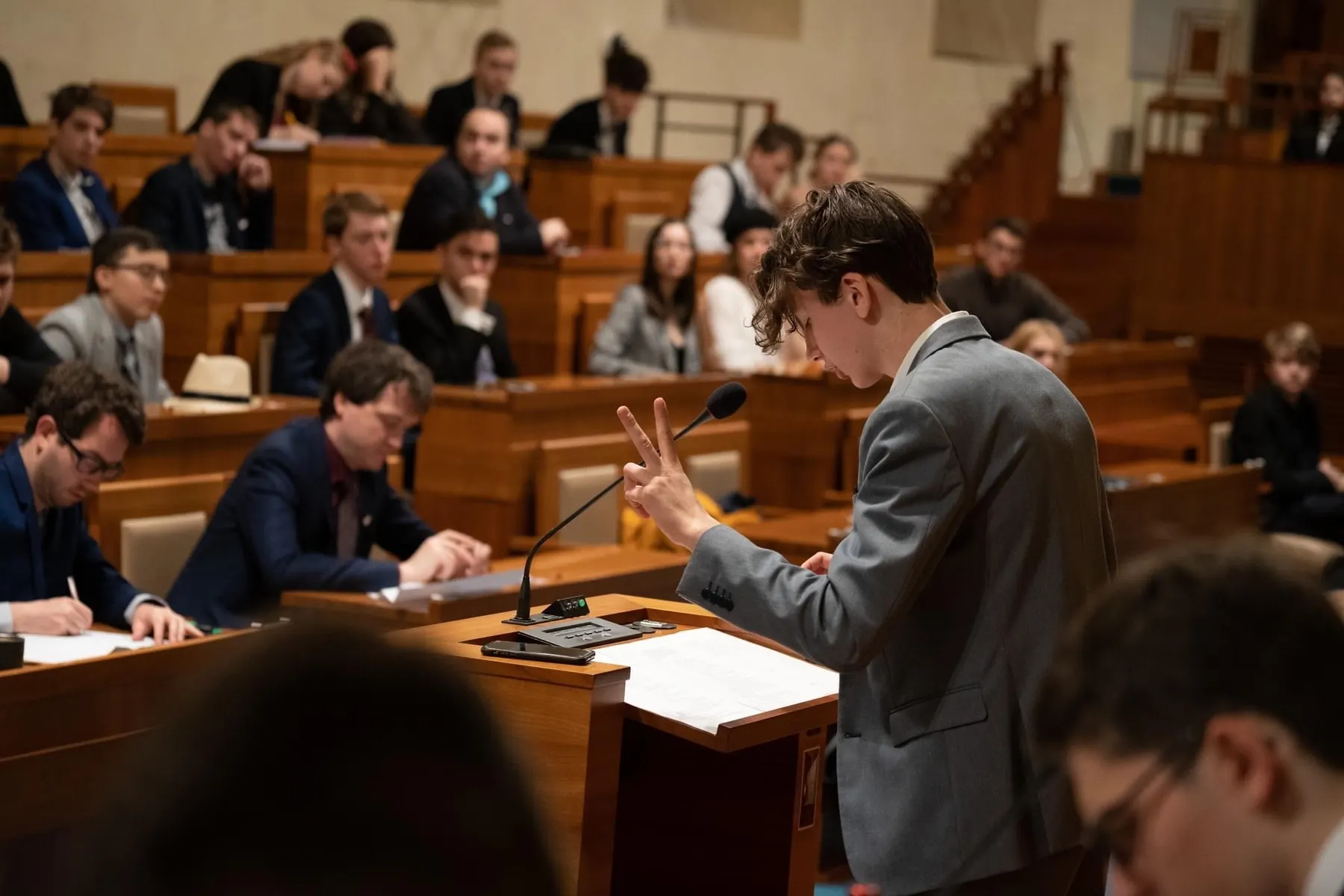
Matyas in a grey suit, speaking at a podium in a hall of seated people.
Portrait of Matyas against a brick wall.
Matyas
Supka
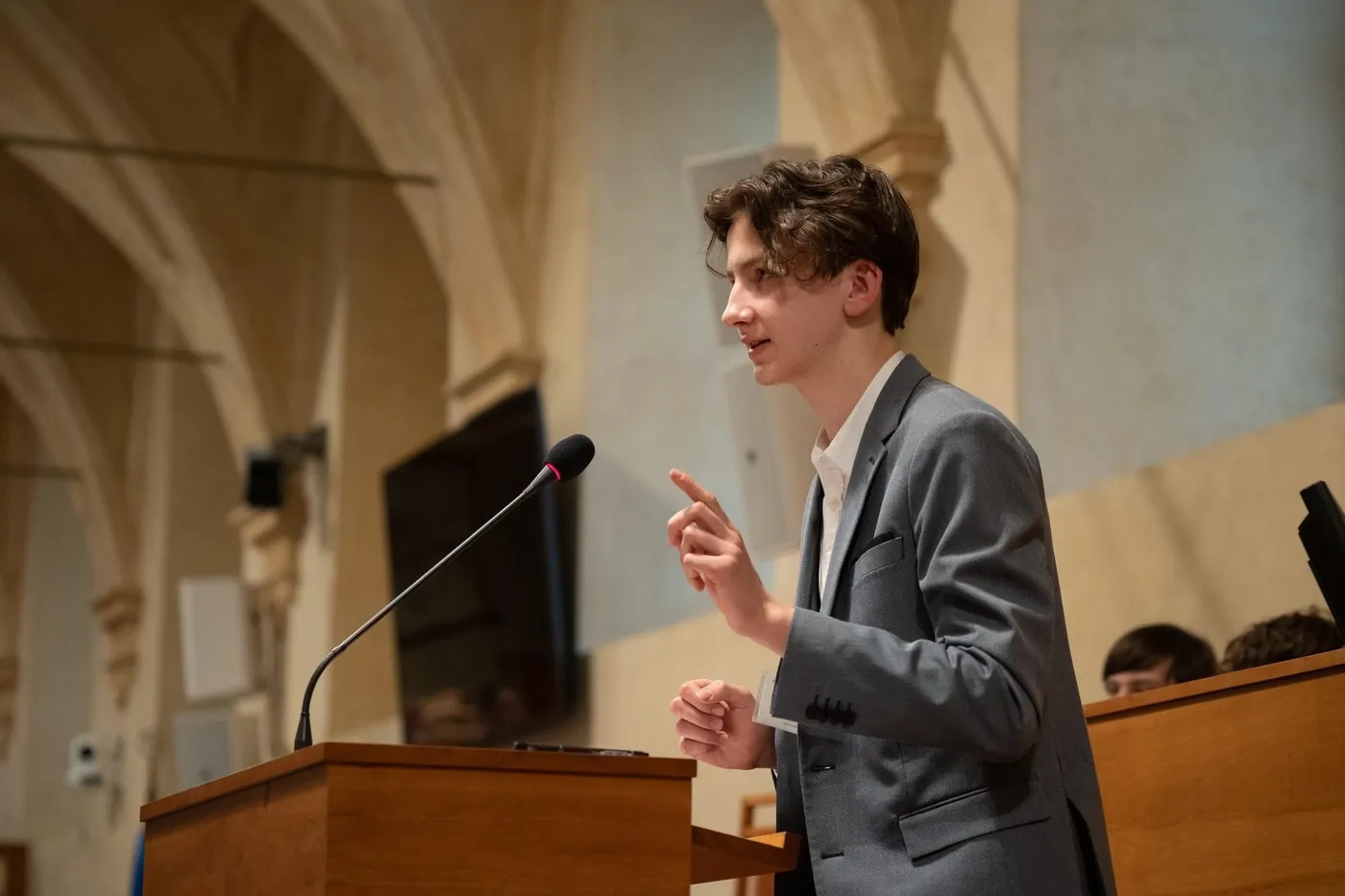
Matyas in a suit, speaking at a podium in an arched hall.

Debate

Czech national high-school champion at 15

Clear arguments > smart ones.

  • 3 timesplaced top of the yearly national league
  • 250+debates since I was 12
  • 47sign-ups for my debate club in one day
  • 70+people got into debating through me
  • Started two debate clubs in two different countries, got 47 sign-ups in one day, and led two students to win a national open tournament with me.
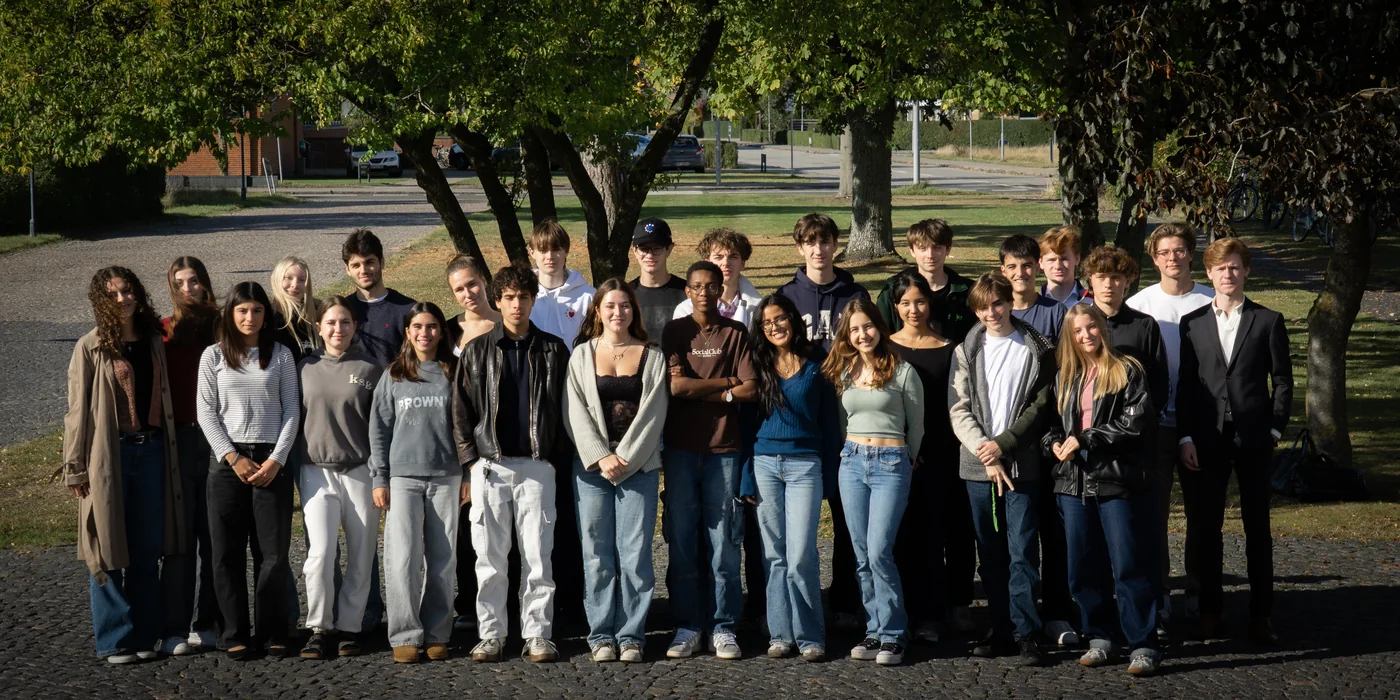
The European Youth Grenaa board, around thirty people standing together on a path under trees.

European Youth Grenaa

President

Local student organisation for the European Union.

Making politics approachable.

Elected president three times, more than anyone before me. We grew the organisation from 27 to 180 paying members, almost all from a school of 250 students.

  • 21events
  • 220+people at the biggest ones
  • $28,000+raised
  • Turned Grenaa into the biggest section in Denmark, ahead of university sections with double our budget.
  • Led 50+ volunteers, including a board of 32.
How I ran the board

I met every board member one on one and talked about what work they actually wanted to do. We held more board meetings and organised board trips. I wanted people to feel appreciated and like a part of a community.

We hosted events from a pre-election debate between regional candidates to flying in a UNESCO explorer from London.

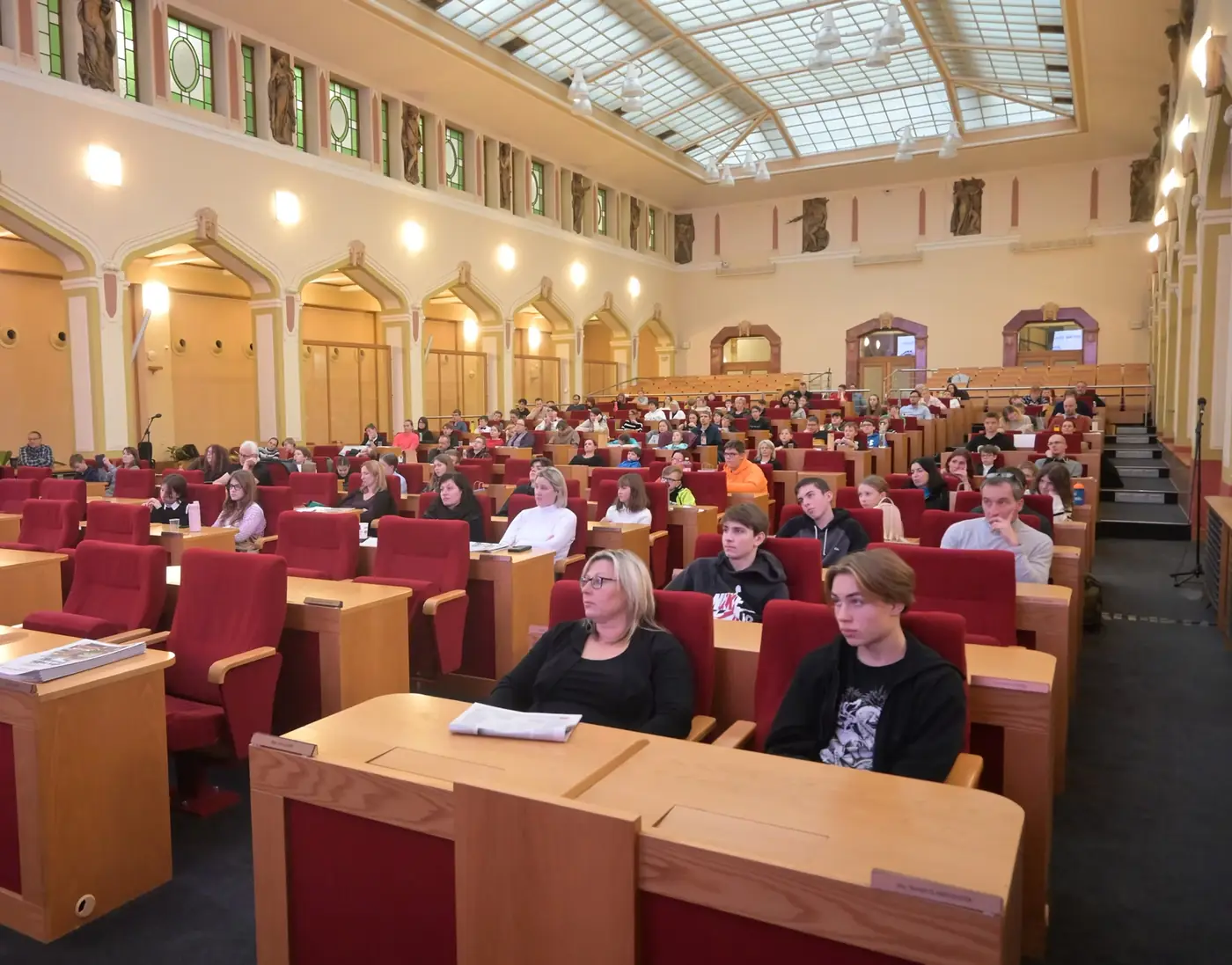
An auditorium full of school pupils at the Media Literacy Olympiad.

Media Literacy Olympiad

One of the three main organisers of the 2024/25 round

Helping students make sense of the information around them.

  • 30,000+pupils in 2024/25, more than double the year before
  • 450+schools
  • 1 in 9Czech primary schools participated
Matyas and Morris, his co-founder, sitting at the edge of a stage in conversation.

NaviFounders

Co-founder and mentor

School teaches students to follow a curriculum. I help them realise they can learn through their own projects.

A few Reddit posts brought 151 applications in 11 days for the first cohort.

  • 195total applications
  • 30+countries
  • 87students interviewed
  • 10enrolled

I mentored the founders of:

  • I also built the programme’s own AI system. It analyses the data collected from lessons, interviews or the website, and helps me teach better.
  • Now starting a cohort of three students, at $1,000 per seat. I mentor every student myself. navifounders.com ↗

Inkolega

Co-founder

Building AI teams for small businesses.

Figuring out how to make AI approachable and safe, not just useful.

Each business gets AI managers that spin up agent teams, all sharing one engine that holds their permissions, rules and log. We don’t trust the model by default: every outbound action needs a single-use token the owner approves, every fact is traced to its source, owner rules compile to deterministic checks, and taint tracking keeps untrusted input out of memory.

Right now we’re building agents that learn from their own mistakes: a context engine rewrites their skill files from graded failures. Next is an engine that learns the owner’s judgement from his past decisions, and backtests on them before our agents make any suggestions.

  • 8xmore booking requests a day at our first customer since its new site
  • 3businesses using our agents
  • inkolega.com ↗
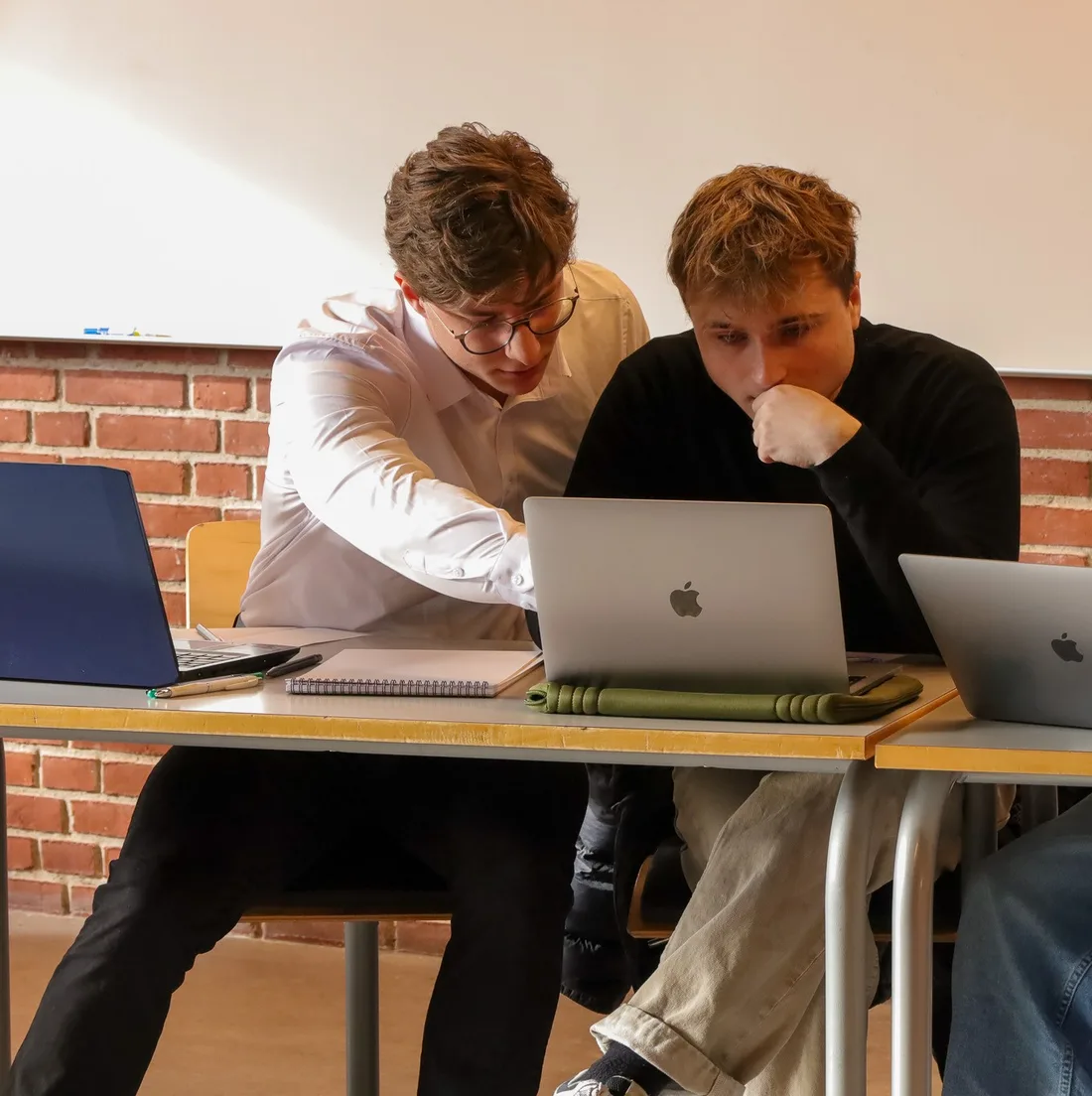
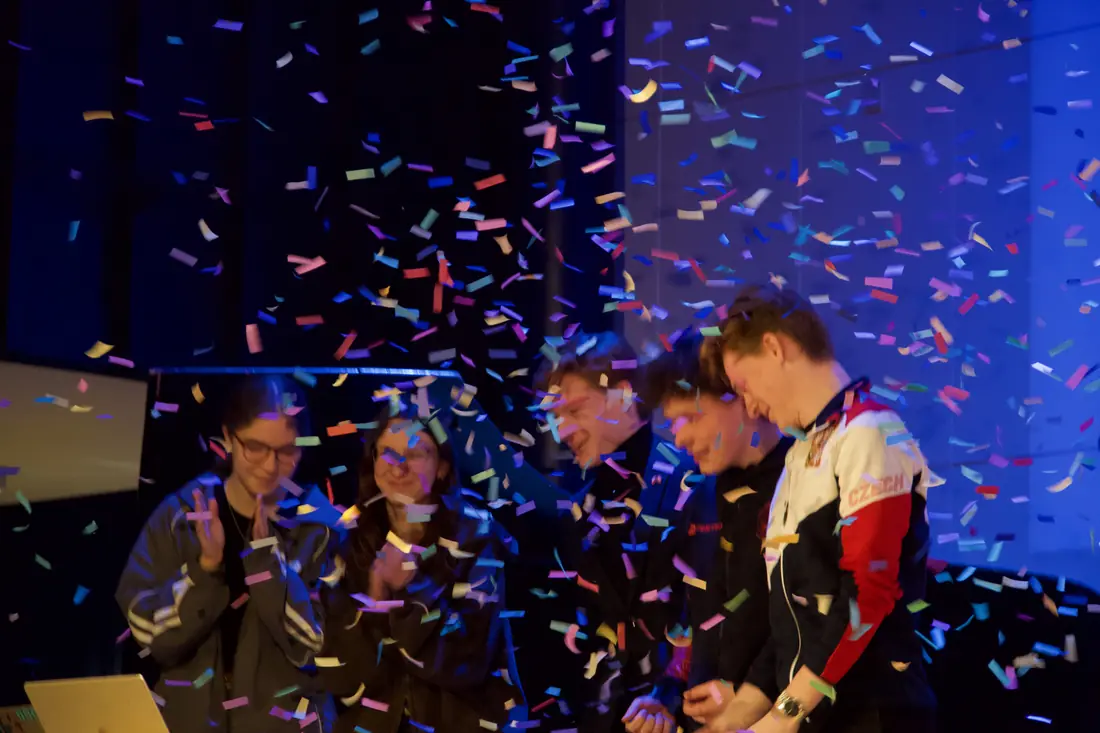
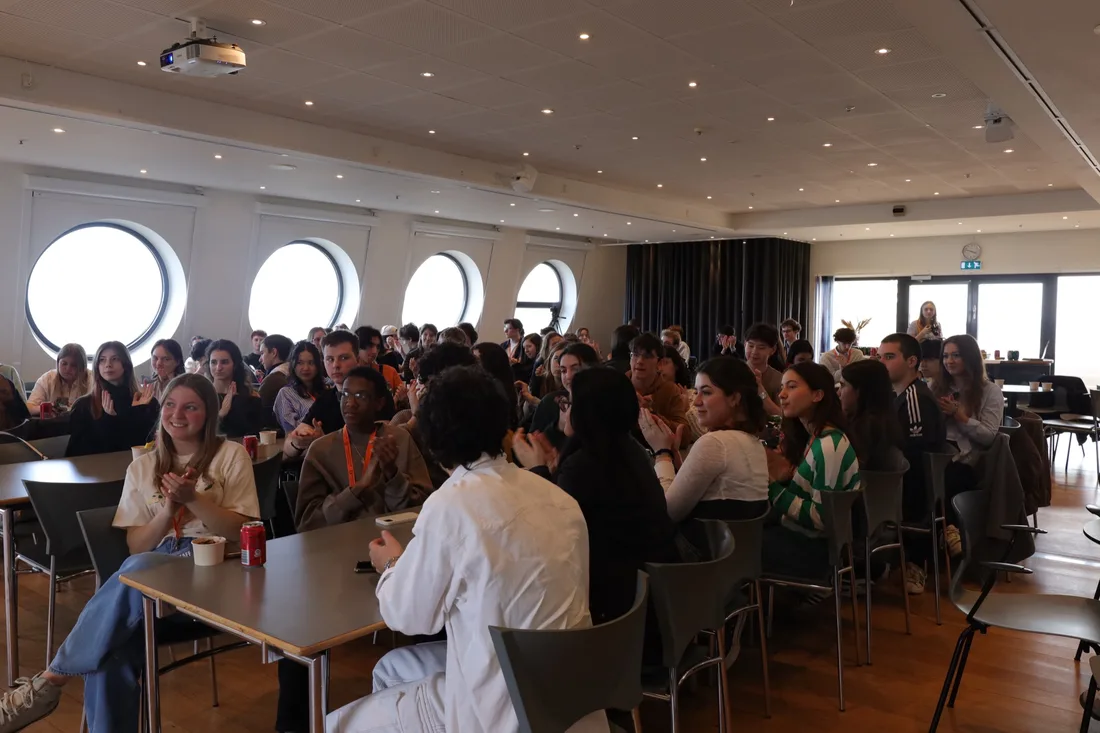
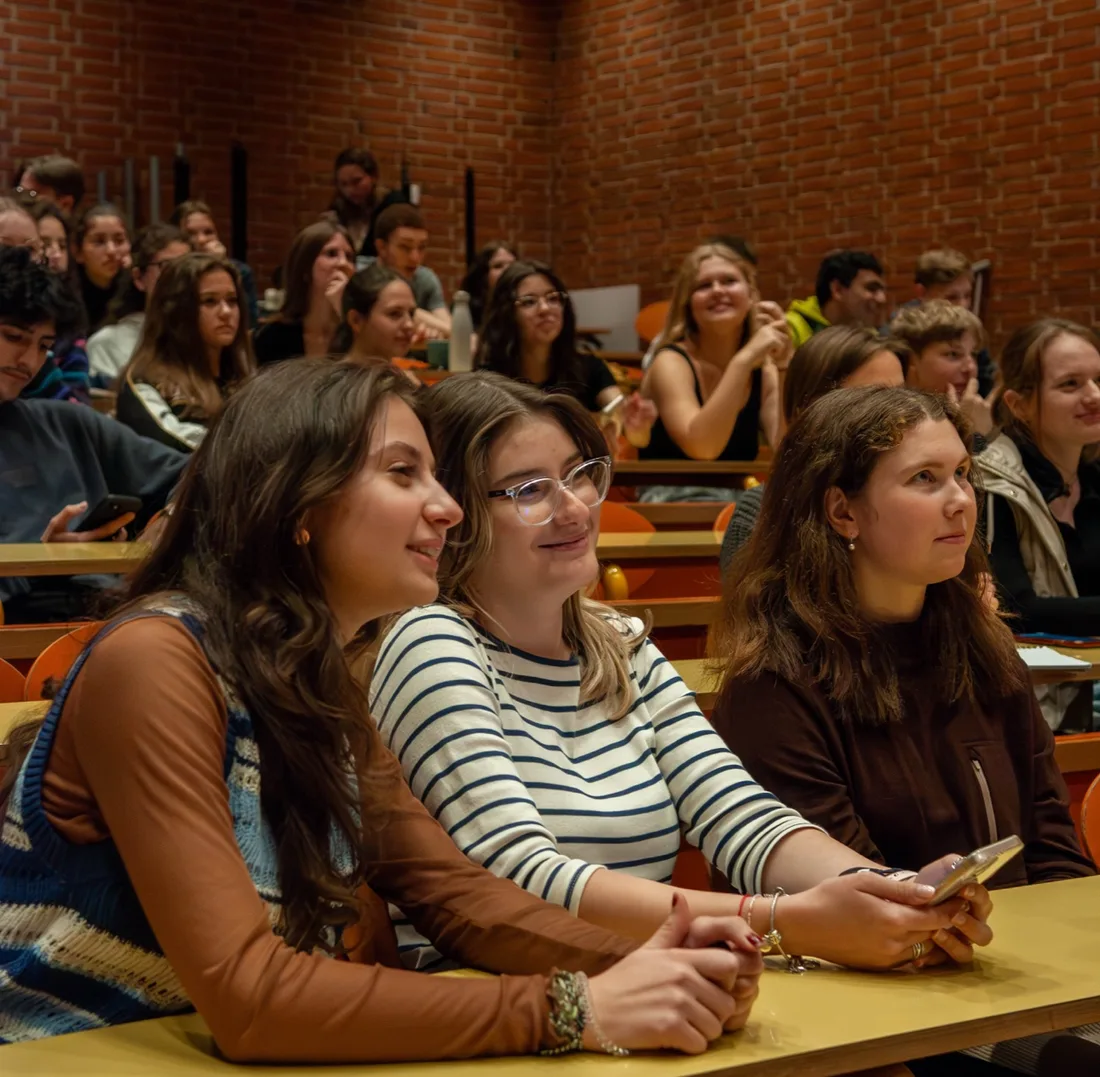
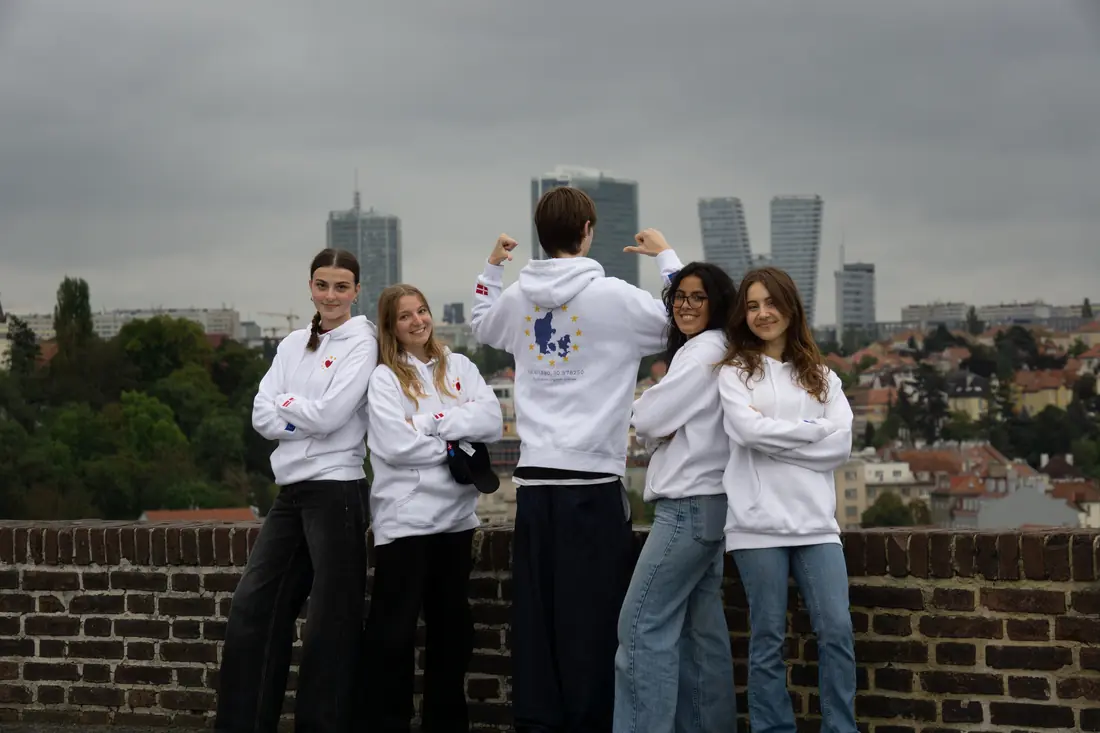
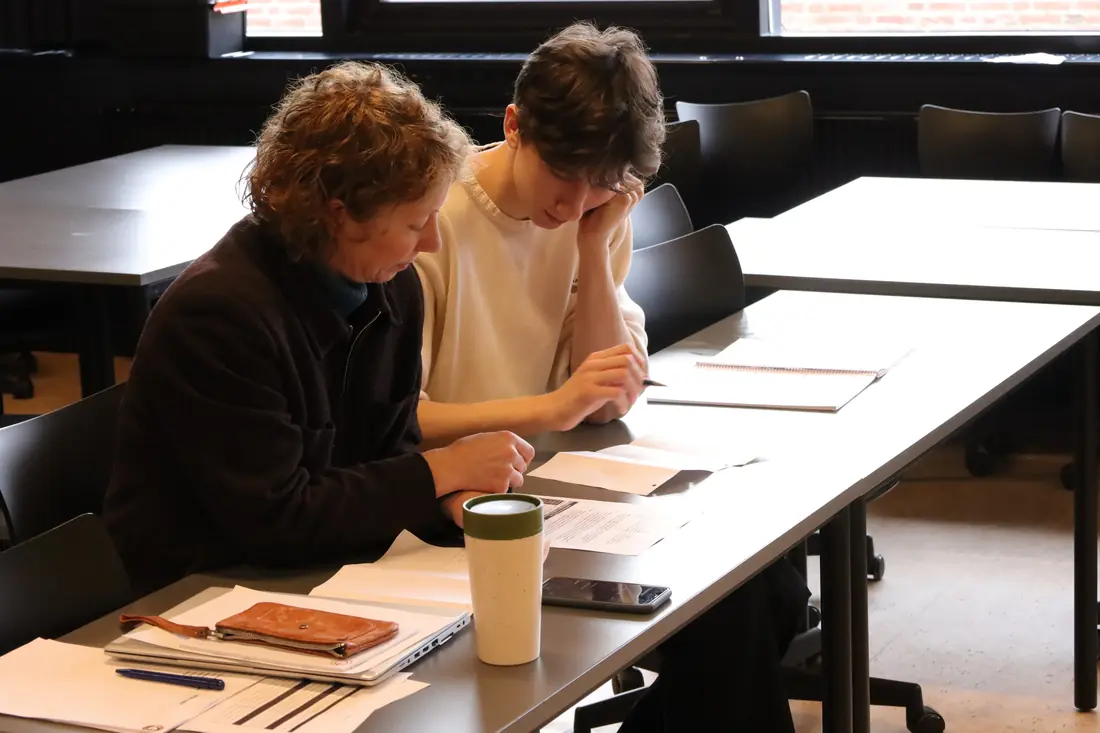
Two students working together on a laptop. A singer and a band on stage at one of our events. A team reacting as confetti falls around them. A full room of students at tables, under round windows. Students smiling and listening in a brick lecture hall. Five people in matching white hoodies on a rooftop above a city. Teams on a blue-lit stage at a quiz, in front of a full hall. Matyas working through notes with someone at a table.

Matyas is an outstanding young leader, an empathetic visionary.

He gets people to work together, and connects them to a mission they care about.

He helps students find projects worth pursuing and get them started.

Working with him, you get so many ideas you never thought of, unlock things you have been stuck on for months, and walk away with clearer thoughts.

What I'm building now

Thoughts on AI

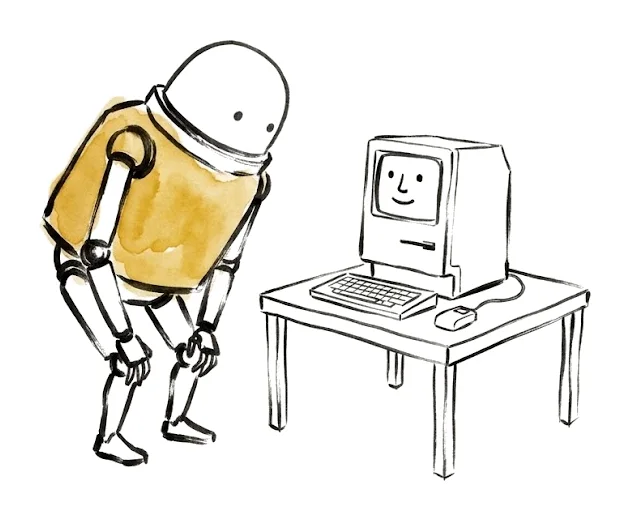
A small robot bends forward to look at the first Macintosh, which has a smiling face on its screen.
A blue robot peels a yellow notepad sheet off the screen of a giant iPhone standing upright, showing the black glass underneath.

Not really human

When Apple released the Macintosh, it showed you a literal desktop. Files sat in folders, and you could throw them in the trash. On the iPhone, your notes went on a yellow notepad, in a handwriting font. Nobody wants to learn a whole new world, so new technology borrows one people already understand: a mental model.

For AI, the mental model of a person was almost impossible to avoid. Language is the most human thing we have, so it doesn't matter if you put AI in a chat box, behind a dashboard or inside your glasses. People look for the “person” behind it. Right now, everybody seems to be building AI agents and AI employees, because a person is the easiest model to understand.

But a desktop isn't really a desk, and an AI isn't really a person. It almost feels like one. But not exactly. And the spots where this model doesn't fit are where the problems come from. They are what makes AI scary to regular people. You think you understand what’s going on, and then you don’t. AI makes a promise it doesn’t hold, hallucinates, or hits one of the tasks where it’s just not that good yet. Predicting where the “person model” will slip is not intuitive.

At Inkolega, we are trying to build the architecture that makes it the easiest to work with AI. And for now, that means covering the spots where the “person model” slips.

In 2013, Apple got rid of the yellow notepad. Once people were on board, Apple didn’t need to borrow mental models anymore. They created their own.

Will AI ever drop the person model? If so, what might its own mental models look like? Those are the questions we’re ultimately trying to answer, one business at a time.
Inkolega: teams of AI agents for small businesses.

One AI manager for each part of the business, each running a team of agents the owner never has to supervise.

A tall robot saws a long plank laid across sawhorses, and a small robot beside it copies the same stance with a little saw and a short plank.

Learns how you decide

It learns from the decisions you have already made, and only starts suggesting once it gets most of them right.

Testing
A wide robot leans as far away as it can, holding a suspicious envelope out with long tongs over an open bin, a small safe behind it.

Prompt injection defense

Protecting your data from leaks.

Two robots talk through a tin-can telephone: one speaks and waves, the other listens and gives a thumbs up.

Voice agent

Skipping the dashboards. Talk to your agents in your own language.

A robot at a small table, between a heap of unopened envelopes and a neat finished stack, studies one letter closely beside an empty tray with a little flag.

Taking care of your inbox

Drafting the replies and identifying the mail that needs your input.

A robot pushing a cart of parcels protests at a lowered barrier, while a second robot stands beside it with its arms folded.

Plain words into hard rules

For AI, rules are suggestions. Ours writes code that enforces the ones that matter.

A robot at a lectern holds a paper slip beside an open book and checks it through a magnifying glass.

Numbers with proof behind them

Code checks every number against its source.

A robot runs with a butterfly net after a letter flying away.

Deals that never go quiet

Tracks every open deal and tells you who needs a message today.

Testing
A robot feeds a crumpled sheet into a small hand-cranked machine and takes a clean, flat sheet out of the front.

Supplier sheets without guesswork

AI-written programs for each new sheet, taking the paperwork off your hands.

First customers

We're talking to many different businesses to learn how AI fits into different workflows and trades.

  • Hotel

    Paying. We run its website and online booking flow, and a live agent helps at reception.

    In use
  • Wholesale

    Basic automations running. Full version getting built.

    In use
  • Teacher

    My mom. Using an old version of the personal agent. Will move to Inkolega at launch.

    In use
  • House renting

    Building on their old system and improving it.

    Building now
  • Flooring

    Approached us through a referral.

    Building now
  • Cleaning supplies

    Approached us through a referral.

    Building now
  • Property management

    Told us to come back when it's ready.

    Waiting for the product
  • Accounting

    Told us to come back when it's ready.

    Waiting for the product

See the work behind it →

NaviKit: the AI system running all my work

Building on the side

KumiCoach: personal strategy for karate

My brother is the Czech national karate champion. His team coach can’t give every fighter their own plan for each competition - so KumiCoach will.

The AI tracks both fighters’ skeletons frame by frame and guesses what happened in every exchange. Fighters correct it from a phone app, and we will train the model on that data.

matyas.supka@gmail.com